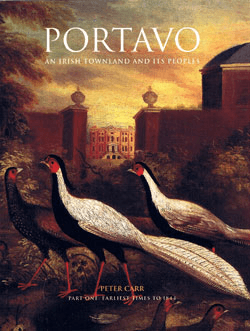
Portavo Part One

Book description
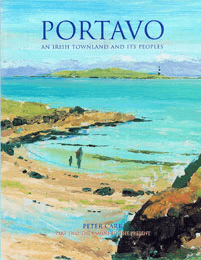
Few aspects of the Irish countryside inspire more romance or nostalgia than townlands, the island's oldest, smallest and most enigmatic land units. There are over 61,000 townlands in Ireland. This superb new work - the most intensive study of an Irish townland ever attempted - paints an intimate, warts-and-all portrait of just one of these, Portavo in County Down.
The book explores its geology, geography, archaeology and folklore. It examines the evolution of its landscape, which in the 17th century was home to James Ross, one of the most fanatically puritan landlords that the Plantation of Ulster gave rise to. It examines the taming of this initially ungovernable dissenting family and their absorption into the social fabric of the county.
Ross's grandson was notorious for practicing 'the black arts' and was whispered to have been 'in league with the devil'. Carr suggests that he may in fact have been an early scientist 'condemned to be remembered by the people who least understood him', and examines what the story tells us about folklore as a bearer of tradition.
In the 1790s the townland became a hotbed of United Irish activity, with its woods raided for pikestaffs and troops opening coffins in a desperate search for arms. Carr offers us a highly nuanced and brilliantly detailed account of its experience of the 1798 rebellion. The bitterly contested dynastic elections of 1790 and 1805, in which local electors were showered with bribes, are also recounted in gripping detail.
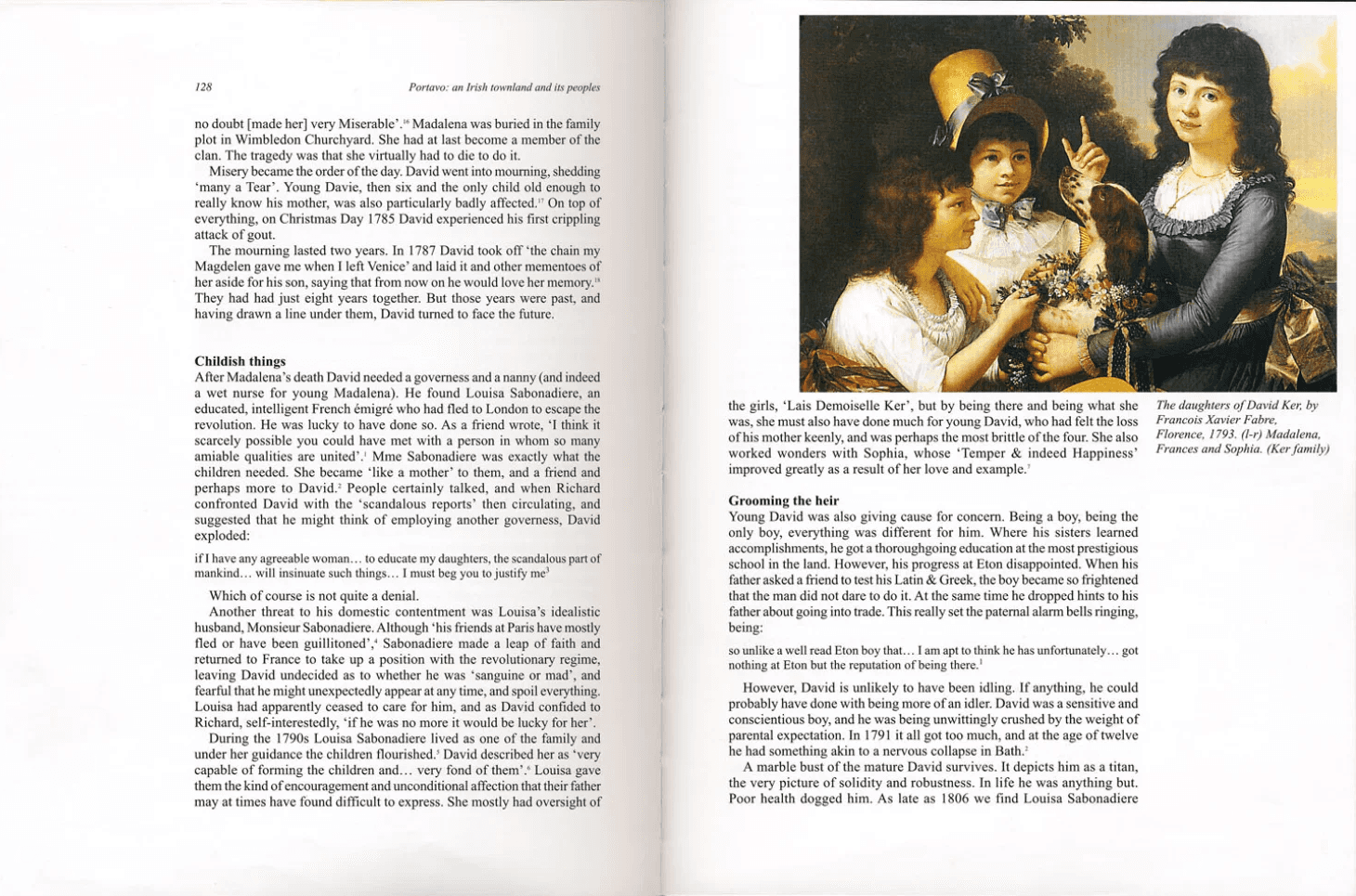
In 1765 Portavo became home to 'the richest commoners in Ireland', the fabulously wealthy Ker family. When in Venice on the Grand Tour in 1775, David Ker fell in love with a fourteen year old singer, Madalena Guardi, the reputed daughter of the painter Francesco Guardi. The couple eloped, and in Padua underwent a form of betrothal that was witnessed, it is said, by a bandit and a priest.
The cultured, cosmopolitan, ill fitting, half Italian-Catholic, half Scottish-Presbyterian Kers went on to marry into the Londonderrys, and acquire a landed empire. Between 1786-1802 the Ker estate was one of the most aggressively expansionist in the British Isles. By the 1830s the family owned over thirty-five thousand acres, and after a bloody election in 1837, their own seat in Parliament.
Their fascinating - and until now forgotten - story is told here for the first time. We read, too, of the struggles of the townland's wretchedly poor farmers and fishermen, for whom a piece of bacon on a Sunday was a luxury. We go in search of its lost fishing village. We meet its amorous miller, Hugh Nelson, who sired twenty-five children. Throughout, Carr's narrative uses the local to subtly shade, and at times challenge, the grand narratives of Irish history.
Book details
ISBN 978 1870132 169
Hardback 356 pages, 320 (120 colour) illustrations
Page sample